

Posts
1471Following
132Followers
174"what a fascinating yet quietly terrifying being
 " @kirakira@furry.engineer
 "turbo queer" @kasdeya@cryptid.cafe
 repeated

Luna Dragofelis is moving to void.lgbt
LunaDragofelis@em.erge.to
 2
6
2
6
 1
repeated
1
repeated

eli (ˈe̝ːli), vampire kitsune
rowan
Show content
sometimes i wish i were able to pull off the high femme cutesy girl aesthetic but then i remember i would miss being genderfucked
2
0
10
eli (ˈe̝ːli), vampire kitsune
rowanShow content
javascript optimizations are always super weird to me and i end up profiling bizarre things
today, i wanted to be able to provide default implementations to either plain javascript objects or ES6 class instances, so i had something like this
class DefaultImpl {
  constructor(methods) {
    if(!isPlainObject(methods)) {
      return methods
    }

    this.methods = methods
  }

  aMethod() {
    return this.methods.aMethod?.() ?? someDefaultImpl()
  }
}
and my first thought was, “i wonder if i can overwrite aMethod when its called with either the default or given implementations to avoid the null coalescing check?
// ...
  aMethod() {
    if(this.methods.aMethod != null) {
      this.aMethod = this.methods.aMethod
      return this.methods.aMethod()
    } else {
      this.aMethod = someDefaultImpl
      return someDefaultImpl()
    }
   }
}
the performance results for both approaches were identical on v8, spidermonkey, and JSC. i’m assuming this is because the shape of a prototype is highly optimized and the one that overwrites the function violates the browsers expectations and suffers a performance penalty while the other one doesn’t? and if that’s the case, maybe the null coalesce vs the prototype change ends up being a wash. or maybe branch prediction on the null coalesce makes the performance hit basically nonexistent? i’m not sure yet
1
0
3
repeated


 repeated

eli (ˈe̝ːli), vampire kitsune
rowanfinally, a clock that doesn’t have too many numbers that even I can understand
 0
1
12
repeated
0
1
12
repeated


eli (ˈe̝ːli), vampire kitsune
rowanShow content
i’m thinking specifically from the perspective of competitive gaming and esports but i think this should be applicable to any competition.
i think there is a general belief that competition is zero-sum: winners feel good for winning, losers feel bad for losing. on the face of it, it makes sense – everyone wants to win, right? why else would they compete against one another? and if everyone wants to win but not everyone can, then the joy of victory must inherently come at the cost of the loser’s pain.
i think in practice this can often be true, especially when playing in ranked matchmaking: valorant, counter strike, overwatch, etc, it’s easy to see this type of relationship between winning and losing. often the losers become very upset and winners gloat. but i don’t think that’s all there is to it, especially when you start playing a lot. often, the winners of a game can be every bit as angry, bitter, and toxic as the losers.
before getting into why losing isn’t an inherently bad thing, i want to look at the flipside of that dynamic: why doesn’t winning always make the winner feel good? surely winning – allegedly the sole purpose of playing – should provide some satisfaction, enough to alleviate most toxicity and negativity that comes with the tension of play, right? there’s a lot of nuance to competition but from my own experience, but i find that people who have a tenuous relationship with their own abilities tend to wrap their self-worth into their ability to play. winning doesn’t feel good because it’s the expected outcome if they’re good at the game. it’s hard to experience the euphoria of victory when it’s the expected outcome of every single game you play. afterall, if you’re good at the game you should be winning right? it’s not an exceptional case, it’s just a confirmation.
from the same perspective, what does this mean about losing? if winning is a confirmation of your ability to play the game, that means losing must mean that you’re not able to play the game. not only did you lose the game, your ability to play is not where it should be.
1/
2
4
10
repeated


 repeated

yuribot
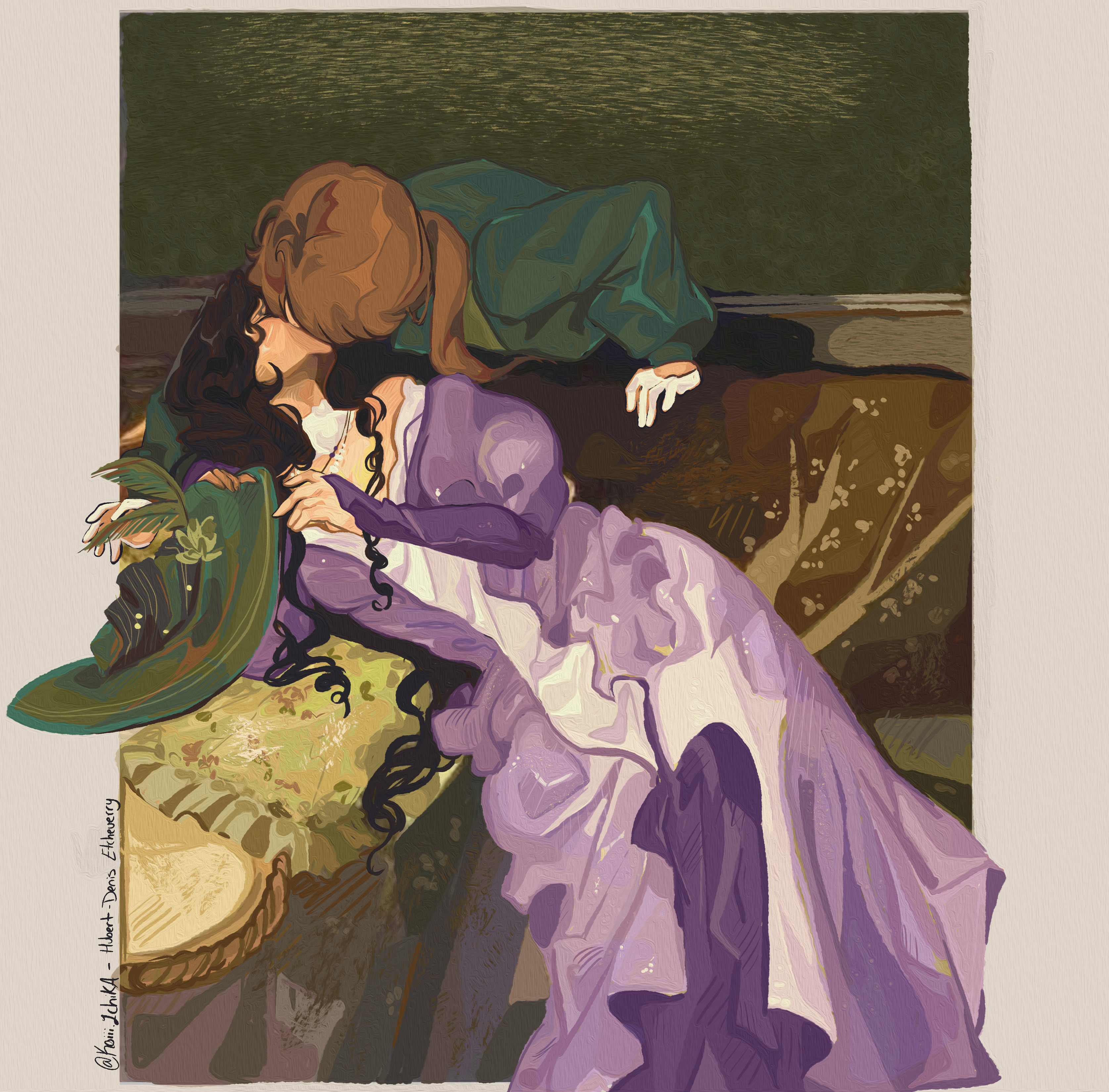
yuribot@woem.spaceCharacters: isolde (reverse:1999), kakania (reverse:1999)
Media: reverse:1999
Danbooru link: https://danbooru.donmai.us/posts/8272973
Source: https://twitter.com/koiii_ichika/status/1839483525654843537
 0
1
0
0
1
0
eli (ˈe̝ːli), vampire kitsune
rowani honestly have such a fascination with the intersection of internet culture and social norms. obviously they’re going to be driven primarily by teenagers since social currency is much more valuable at those ages, but it’s still interesting to have seen most of the evolution of the internet until now. the idea that casual internet use – which used to be almost exclusively for losers and weirdos and nerds – has such a capricious and fickle sense of fashion with an intensity that borders on ethical is funny to me
2
0
8
eli (ˈe̝ːli), vampire kitsune
rowan“millennials are cringe” damn right im cringe i didnt survive being a teenager so that i could continue policing myself out of being happy
16
213
511
repeated

Tealful Eyes
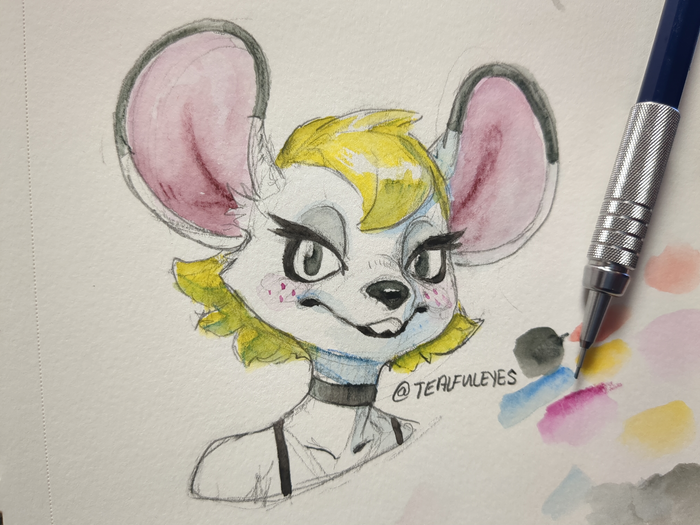
Tealfuleyes@mastodon.artAnother little water colour sketch, this time featuring Bella from Animal Crossing. I picked them because this felt like a great character to get used to doing more subtle and tighter controlled washes/layering like their cheeks and the cool shadows.
#art #traditionalart #animalcrossing
 0
3
0
repeated
0
3
0
repeated
 repeated

Fluffy Kitty Cat
fluffykittycat@furry.engineerThe problem with dystopian satirical fiction is that it's too real nowadays. You can sit around coming up with an idea for a short story but it just ends up being something like "DraftKings Jr: Sportsbooks for little leagues" and then you start to get terrified the silly idea you just had will actually become real in under 5 years
The #solarpunk people are on the right track I think with the idea of writing utopian fiction instead because it's genuinely more bold to imagine things actually being good. We're all cynical now so actually envisioning something worth fighting for is the real bitter pill we need now and not depresso wallowing in our pessimism.
The real opportunity I think is in the liminal space between the two. Write about a revolution in progress and the sorts of conflicts between now and what we want by 2050 or so.
12
3
1
repeated
yuribot
yuribot@woem.spaceCharacters: maruyama aya, shirasagi chisato
Media: bang dream!
Danbooru link: https://danbooru.donmai.us/posts/6875900
Source: https://www.pixiv.net/en/artworks/86567852
 0
1
0
repeated
0
1
0
repeated

éclair (dragon arc) 
eclairwolf@tech.lgbt
hot take: the "egg prime directive" is horseshit, and it is actually really good to talk to your friends about gender
6
5
2
eli (ˈe̝ːli), vampire kitsune
rowanvideos that feature on screen code writing which add keyboard clacking sound effects should be illegal and punishable by immediate destruction
1
2
6